

Hey there! As a supplier of vacuum skin film, I often get asked this one burning question: "Does vacuum skin film resist bacteria growth?" It's a topic that's super important, especially when you think about all the different things we use vacuum skin film for, from food packaging to protecting hardware. So, let's dive right in and explore this together.
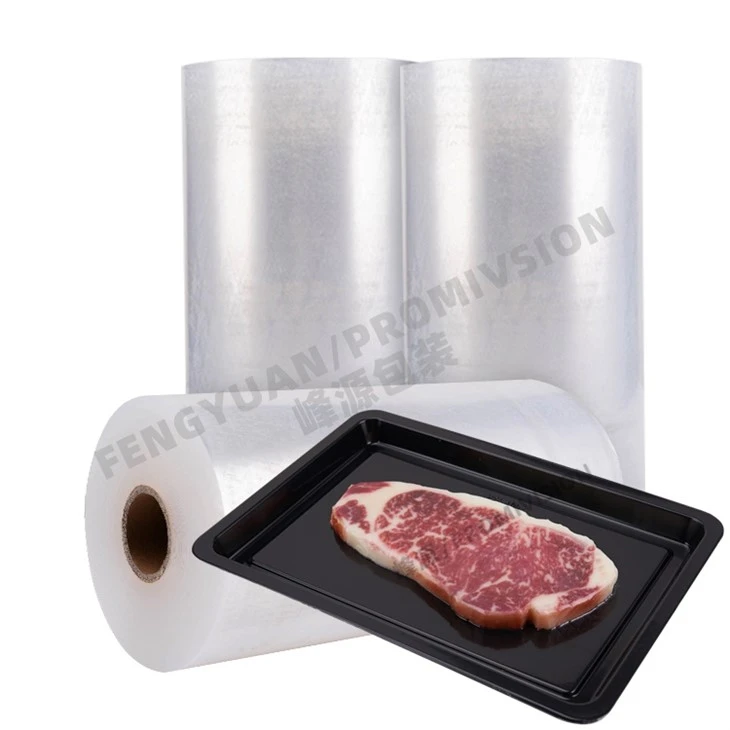
First off, let's understand what vacuum skin film is. Vacuum skin film, also known as Skin Pack Film, is a thin, flexible plastic material that's designed to conform tightly to the shape of the product it's packaging. It creates an airtight seal around the item, which helps to keep it fresh and protected. You can find different types of it, like the Vacuum Skin Film and Vacuum Skin Packaging Film for Hardware, each tailored for specific uses.
Now, onto the big question: does it resist bacteria growth? Well, the answer isn't a simple yes or no. There are a few factors at play here.
How Vacuum Skin Film Can Help Resist Bacteria
One of the main ways vacuum skin film can help resist bacteria growth is by creating a barrier. When you seal a product with this film, you're essentially cutting off its exposure to the outside air. Bacteria need oxygen, moisture, and nutrients to grow, and by removing the air (and thus reducing oxygen levels) and creating a physical barrier, the film makes it harder for bacteria to thrive.
For example, in the food industry, vacuum skin packaging is a game - changer. When you package meat, cheese, or other perishable items in vacuum skin film, you're extending their shelf life. The lack of oxygen slows down the growth of aerobic bacteria, which are the ones that need oxygen to survive. This means your food stays fresher for longer, and there's less risk of it getting contaminated with harmful bacteria.
In the case of hardware, the film protects the products from environmental factors that could lead to corrosion and the growth of bacteria or fungi. By keeping out moisture and dust, it creates a clean and stable environment for the hardware, reducing the chances of any microbial growth that could damage the product.
Limitations of Vacuum Skin Film in Resisting Bacteria
However, it's important to note that vacuum skin film isn't a magic bullet. If the product is already contaminated with bacteria before it's packaged, the film won't be able to completely stop their growth. Bacteria that are already present on the surface of the product can still multiply, especially if the conditions inside the package are favorable.
Also, some bacteria are anaerobic, which means they can grow without oxygen. These bacteria can still thrive inside a vacuum - sealed package if there are enough nutrients and moisture available. For example, certain types of Clostridium bacteria can grow in low - oxygen environments and produce toxins that can be harmful.
The quality of the film also matters. If the film has any holes or tears, it won't be able to maintain the airtight seal, and bacteria from the outside can easily get in. And over time, the film can degrade, especially if it's exposed to high temperatures or harsh chemicals, which can also compromise its ability to resist bacteria.
Factors That Affect Bacteria Growth in Vacuum Skin Packaging
There are several factors that can influence whether bacteria will grow in a vacuum - skin - packaged product:
Temperature
Temperature plays a huge role. Most bacteria grow best at temperatures between 40°F and 140°F (4°C and 60°C), which is known as the "danger zone." If a vacuum - skin - packaged product is stored at these temperatures, the bacteria present can multiply rapidly, even if it's sealed in the film. That's why it's crucial to store perishable products at the right temperature, usually in a refrigerator or freezer.
Moisture
Moisture is another key factor. Bacteria need water to survive and grow. If there's too much moisture inside the package, it can create a perfect breeding ground for bacteria. This is especially important in food packaging, where the natural moisture content of the food can contribute to bacteria growth. Some vacuum skin films are designed to have moisture - resistant properties, but it's still important to manage the moisture levels of the product itself.
Product Composition
The type of product being packaged also affects bacteria growth. Some products, like fresh fruits and vegetables, have natural antimicrobial properties that can help inhibit bacteria growth. On the other hand, products with high protein or sugar content can be more prone to bacterial contamination. For example, meat and dairy products are more likely to support bacteria growth compared to dry goods.
Tips for Maximizing the Bacteria - Resistant Properties of Vacuum Skin Film
If you're using vacuum skin film, here are some tips to make sure it does its job in resisting bacteria growth:

- Properly clean and sanitize the product before packaging: This helps to reduce the initial number of bacteria on the product's surface.
- Use high - quality film: Invest in a good - quality vacuum skin film that has been tested for its barrier properties. Make sure it's free from defects and has a strong seal.
- Store products at the right temperature: Keep perishable products refrigerated or frozen to slow down bacteria growth.
- Inspect the packaging regularly: Check for any signs of damage to the film, such as holes or tears. If you notice any issues, repackage the product immediately.
Conclusion
So, to sum it up, vacuum skin film can definitely help resist bacteria growth by creating a barrier and reducing oxygen levels. But it's not a guarantee. There are many factors that can affect whether bacteria will grow in a vacuum - skin - packaged product, including the initial contamination, temperature, moisture, and the quality of the film.
As a supplier of vacuum skin film, I'm always here to help you choose the right film for your needs and provide you with the best advice on how to use it effectively. If you're interested in purchasing vacuum skin film for your business, whether it's for food packaging or hardware protection, I'd love to have a chat with you. Let's work together to find the perfect solution for your packaging needs and ensure that your products stay safe and fresh.
References
- Jay, J. M., Loessner, M. J., & Golden, D. A. (2005). Modern Food Microbiology. Springer.
- Doyle, M. P., & Beuchat, L. R. (2013). Food Microbiology: Fundamentals and Frontiers. ASM Press.