

Hey there! As a supplier of PVC skin pack film, I often get asked about its anti-mold property. So, I thought I'd take the time to break it down for you.
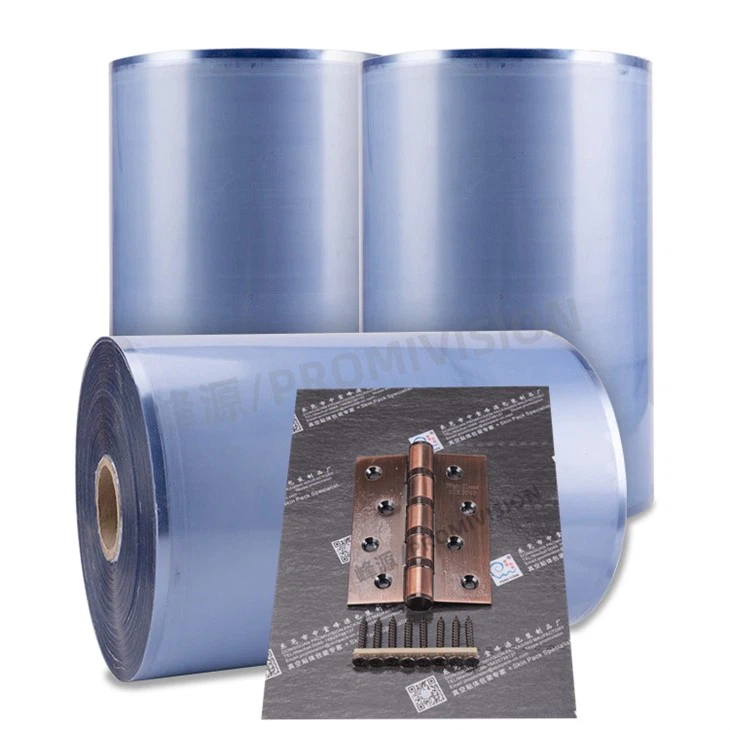
First off, let's talk about what PVC skin pack film is. PVC, or polyvinyl chloride, is a type of plastic that's commonly used in a wide range of applications, including packaging. PVC skin pack film is a specialized form of this plastic that's designed to tightly conform to the shape of a product when heat and vacuum are applied. It's used in various industries to package products securely and protect them from damage, dust, and moisture. You can check out our PVC Vacuum Skin Packaging Film and PVC Skin Pack Film on our website for more details.
Now, onto the anti-mold property. Mold is a type of fungus that thrives in warm, moist environments. It can grow on almost any surface, including food, clothing, and packaging materials. When it comes to packaging, mold growth can be a major problem. It can damage the product inside, cause it to spoil, and even pose a health risk to consumers.
So, how does PVC skin pack film help prevent mold growth? Well, there are a few key factors at play.
1. Barrier Properties
One of the main ways PVC skin pack film prevents mold is by acting as a barrier. It has excellent moisture resistance, which means it can keep moisture from getting to the product inside. Mold needs moisture to grow, so by keeping the product dry, the film helps to inhibit mold growth.
The film is also resistant to oxygen and other gases. Oxygen is essential for the growth of many types of mold, so by reducing the amount of oxygen that reaches the product, the film can further slow down or prevent mold development.
2. Hygiene and Cleanliness
PVC skin pack film is typically manufactured in a clean and controlled environment. This helps to ensure that the film itself is free from mold spores and other contaminants. When the film is used to package a product, it creates a sealed environment that keeps out external mold spores.
In addition, the smooth surface of the PVC film makes it difficult for mold to adhere to. Unlike some porous materials, mold has a harder time getting a foothold on the slick surface of the film, which reduces the chances of mold growth.
3. Additives
Some PVC skin pack films are treated with additives that have anti-microbial properties. These additives can actively kill or inhibit the growth of mold and other microorganisms. They work by disrupting the cell membranes of the mold, preventing them from growing and reproducing.
These anti-microbial additives are carefully selected and added in the right amounts to ensure that they are effective against mold while still being safe for use in food packaging and other applications.
Testing the Anti-Mold Property
To ensure that our PVC skin pack film meets high standards for anti-mold protection, we conduct a series of tests. These tests simulate real-world conditions to see how well the film performs in preventing mold growth.

We expose the film to different levels of humidity and temperature, and we also introduce mold spores to see if they can grow on the film or the product inside. By conducting these tests, we can make sure that our film provides reliable anti-mold protection for your products.
Real-World Applications
The anti-mold property of PVC skin pack film makes it a great choice for a variety of applications. Here are a few examples:
- Food Packaging: In the food industry, mold growth can be a major concern. PVC skin pack film is widely used to package fresh meats, cheeses, and other perishable foods. By keeping the food dry and protected from oxygen and mold spores, the film helps to extend the shelf life of the products and maintain their quality.
- Electronics Packaging: Electronics are sensitive to moisture and mold. PVC skin pack film can be used to package electronic components, protecting them from environmental factors that could cause damage or malfunction.
- Medical Packaging: In the medical field, it's crucial to keep products sterile and free from mold and other contaminants. PVC skin pack film can be used to package medical devices and supplies, ensuring that they remain safe and effective for use.
Comparing with Other Packaging Materials
When it comes to anti-mold protection, PVC skin pack film has some advantages over other packaging materials.
- Paper and Cardboard: Paper and cardboard are porous materials that can absorb moisture, making them more susceptible to mold growth. PVC skin pack film, on the other hand, is moisture-resistant and can provide better protection against mold.
- Some Other Plastics: While there are other types of plastics that can be used for packaging, not all of them have the same level of anti-mold properties as PVC skin pack film. Some plastics may be more permeable to moisture and oxygen, which can increase the risk of mold growth.
Conclusion
In conclusion, the anti-mold property of PVC skin pack film is a valuable feature that offers many benefits. It provides a reliable way to protect products from mold growth, extend their shelf life, and maintain their quality. Whether you're in the food, electronics, or medical industry, our PVC Skinpack Film can be a great choice for your packaging needs.
If you're interested in learning more about our PVC skin pack film or have any questions about its anti-mold property, don't hesitate to reach out. We're here to help you find the best packaging solution for your products. Let's start a conversation and see how we can work together to meet your packaging requirements.
References
- "Packaging Materials and Their Properties" - A textbook on packaging technology
- "Mold Growth and Prevention in Packaging" - A research paper on the topic of mold in packaging
- Industry standards and guidelines for food and medical packaging related to anti-microbial and anti-mold properties.