

Hey there! As a supplier of vacuum skin film, I've been getting a lot of questions lately about its environmental impacts. So, I thought I'd take a deep dive into this topic and share what I've learned.
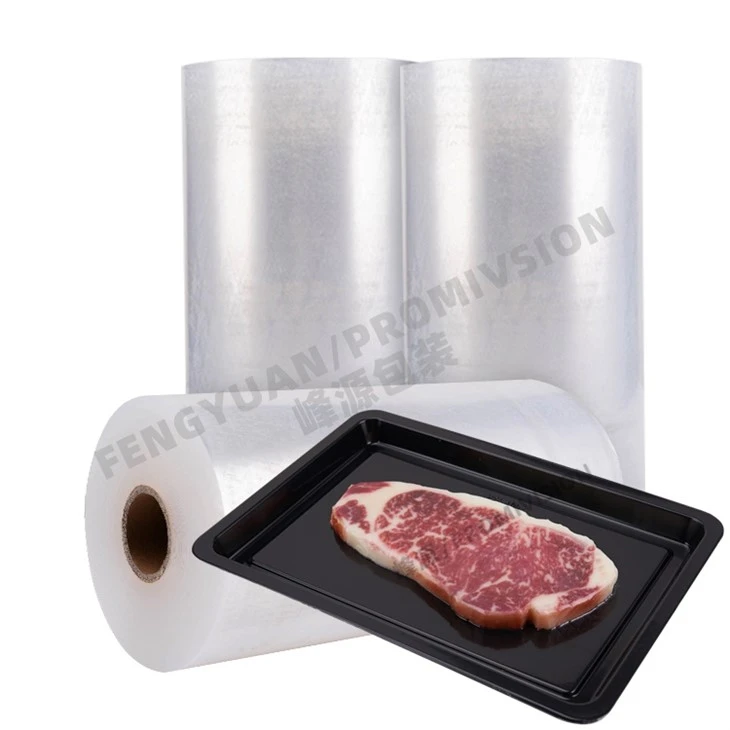
First off, let's talk about what vacuum skin film is. It's a type of packaging material that's used to tightly wrap products, creating a skin-like seal. It's super popular in various industries, from food to hardware. You can check out our VSP Vacuum Skin Packaging Film and Vacuum Skin Packaging Film for Hardware for more details.

The Good Side of Vacuum Skin Film
One of the major environmental benefits of vacuum skin film is its ability to extend the shelf - life of products, especially food. When food is packaged in vacuum skin film, it reduces the amount of oxygen around the product. This slows down the growth of bacteria, mold, and other microorganisms that cause spoilage. As a result, less food goes to waste. According to a study by the Food and Agriculture Organization (FAO), food waste is a huge environmental issue as it accounts for a significant portion of greenhouse gas emissions. By using vacuum skin film to keep food fresh for longer, we're indirectly reducing these emissions.
In the hardware industry, vacuum skin film provides excellent protection. It prevents rust, corrosion, and damage during transportation and storage. This means that fewer products are discarded due to damage, which in turn reduces the demand for new materials to replace them. Our VSP Vacuum Skin Film is designed to offer top - notch protection for hardware items.
Another plus is that vacuum skin film is often more lightweight compared to other types of packaging. This might seem like a small thing, but it has a big impact. When packaging is lighter, it requires less energy to transport. Whether it's by truck, train, or plane, less energy consumption means fewer greenhouse gas emissions. Over time, these savings can really add up.
The Not - So - Good Side
However, vacuum skin film isn't all sunshine and rainbows when it comes to the environment. Most vacuum skin films are made from plastics, which are derived from fossil fuels. The production of these plastics requires a significant amount of energy and releases a large amount of greenhouse gases. Extracting and refining the raw materials, like petroleum, is an energy - intensive process that contributes to air pollution and climate change.
Plastic waste is also a huge problem. Once the product has been used and the vacuum skin film is discarded, it often ends up in landfills. Plastics take hundreds of years to break down in landfills. And in some cases, they may end up in the ocean, where they pose a serious threat to marine life. Animals can mistake plastic pieces for food, and it can cause internal injuries or even death.
Recycling vacuum skin film can be a challenge. Many recycling facilities aren't equipped to handle the complex multi - layer plastics that are often used in vacuum skin film. These multi - layer structures are designed to provide different properties, like barrier protection and strength, but they make the recycling process more difficult. As a result, a large portion of vacuum skin film ends up in landfills instead of being recycled.
What We're Doing to Make It Better
At our company, we're aware of these environmental issues, and we're taking steps to make our vacuum skin film more sustainable. One of the things we're working on is developing more biodegradable and compostable options. These materials break down much faster in the environment, reducing the amount of plastic waste. We're also researching ways to use recycled materials in our film production. By using post - consumer recycled plastics, we can reduce the demand for new fossil - fuel - based plastics.
We're also working closely with recycling facilities to improve the recyclability of our products. We're looking into ways to simplify the structure of our vacuum skin film so that it's easier to recycle. This might involve using single - layer plastics or finding new ways to separate the different layers during the recycling process.
The Future of Vacuum Skin Film and the Environment
The future of vacuum skin film in terms of the environment looks promising. As technology advances, we're likely to see more innovative and sustainable solutions. For example, there's ongoing research into using plant - based plastics as an alternative to traditional petroleum - based plastics. These plant - based plastics are renewable and have a lower carbon footprint.
Consumers are also becoming more environmentally conscious. They're demanding more sustainable packaging options, which is putting pressure on companies like ours to develop greener products. This consumer demand is a driving force for change in the industry.
Wrapping It Up
So, as you can see, vacuum skin film has both positive and negative environmental impacts. On one hand, it can help reduce food waste, protect products, and save energy during transportation. On the other hand, it's made from plastics that have a significant environmental cost. But the good news is that the industry is moving towards more sustainable solutions.
If you're interested in learning more about our vacuum skin film products or have any questions about their environmental impact, don't hesitate to reach out. We're always happy to have a chat and discuss how our products can meet your needs while also being kind to the environment. Whether you're in the food industry or hardware business, we've got the right packaging solution for you. So, let's start a conversation and see how we can work together!
References
- Food and Agriculture Organization (FAO). "The State of Food and Agriculture 2019: Moving Forward on Food Loss and Waste Reduction."
- Various industry reports on plastic production and recycling.