

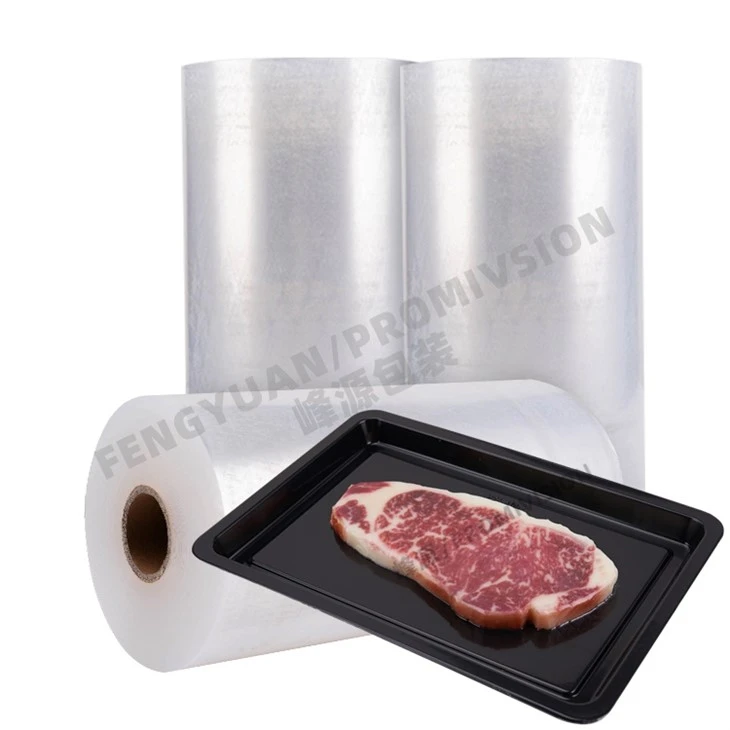
In the realm of skincare and skin protection, the question of whether it is necessary to use sunscreen to safeguard the skin film often arises. As a supplier of various skin films, including Vacuum Skin Pack Film, Vacuum Skin Packaging Film for Hardware, and Vacuum Skin Film, I have witnessed firsthand the diverse needs and concerns related to skin protection. This blog post aims to delve into the scientific aspects of this question and provide a comprehensive analysis.
Understanding the Skin Film and Its Vulnerabilities
The skin film, in the context of our products, refers to the thin layer of material that provides a protective barrier. Similar to human skin, which has its own natural protective mechanisms, our skin films are designed to shield the underlying objects from various external factors. However, just as human skin can be damaged by ultraviolet (UV) radiation, our skin films are also susceptible to degradation when exposed to sunlight.
UV radiation is composed of two main types: UVA and UVB. UVA rays have a longer wavelength and can penetrate deeper into the skin film, causing long - term damage such as discoloration, loss of elasticity, and weakening of the film's structure. UVB rays, on the other hand, have a shorter wavelength and are responsible for more immediate damage, like surface cracking and brittleness.
The Role of Sunscreen in Protecting the Skin Film
Sunscreen, in the context of our skin films, can be thought of as a protective additive or coating. It works by absorbing, reflecting, or scattering UV radiation, preventing it from reaching the skin film. Just as sunscreen on human skin helps prevent sunburn, premature aging, and skin cancer, a sunscreen - like protective layer on our skin films can extend their lifespan and maintain their functionality.
For example, in outdoor applications where our skin films are used to protect hardware, the constant exposure to sunlight can lead to a significant reduction in the film's performance. The film may become less flexible, more prone to tearing, and may lose its ability to adhere properly. By incorporating a sunscreen - like agent into the film or applying a protective coating, we can mitigate these effects.
Scientific Evidence of the Benefits
Numerous studies in the field of polymer science and materials engineering have demonstrated the positive impact of UV protection on plastic films. When exposed to UV radiation, polymers in the skin film undergo a process called photodegradation. This involves the breaking of chemical bonds in the polymer chains, which leads to a change in the film's physical and chemical properties.
A study published in the Journal of Polymer Science found that adding UV absorbers to plastic films can significantly reduce the rate of photodegradation. The researchers observed that films with UV protection maintained their mechanical properties, such as tensile strength and elongation at break, for a much longer period compared to unprotected films.
In addition, real - world applications have also shown the effectiveness of UV protection. In coastal areas, where the intensity of sunlight is high and the air contains more salt, skin films without proper UV protection quickly deteriorate. On the other hand, films with added UV protection have been able to withstand the harsh environmental conditions for several years, providing long - term protection for the underlying objects.
Case Studies
Let's take a look at a few case studies to illustrate the importance of using a sunscreen - like protection for our skin films.
Case 1: Outdoor Furniture Packaging
A furniture manufacturer was using our skin films to package their outdoor furniture during transportation and storage. Initially, they did not opt for the UV - protected version of the skin film. After a few months of outdoor storage, they noticed that the films had become discolored and brittle. Some of the films even tore during the unpacking process, exposing the furniture to damage.
After switching to our skin films with added UV protection, the manufacturer reported a significant improvement. The films remained intact, with no signs of discoloration or brittleness, even after several months of outdoor exposure. This not only protected the furniture but also reduced the cost of replacement and re - packaging.
Case 2: Solar Panel Protection
Solar panels are often covered with a skin film to protect them from dust, moisture, and other environmental factors. In a solar power plant located in a sunny desert region, the unprotected skin films started to show signs of degradation within a year. The films became cloudy, which reduced the efficiency of the solar panels by blocking some of the sunlight.
By using our UV - protected skin films, the solar panels maintained their performance over a much longer period. The films remained clear and transparent, allowing maximum sunlight to reach the solar cells. This increased the overall energy output of the solar power plant and reduced the maintenance costs associated with replacing the damaged films.

Factors to Consider When Choosing a Sunscreen - Protected Skin Film
When selecting a skin film with UV protection, there are several factors to consider.
SPF Equivalent for Skin Films
Just as human sunscreen has a sun protection factor (SPF), our skin films can be evaluated based on their UV protection capabilities. A higher SPF - equivalent rating for our skin films indicates better protection against UVB rays. However, it is also important to consider the UVA protection, which is often measured by the UVA protection factor (PA).
Compatibility with the Underlying Object
The sunscreen - like additive or coating should be compatible with the object being protected. For example, if the skin film is used to protect food products, the UV - protection agent must be food - grade and non - toxic.
Cost - Benefit Analysis
There is usually an additional cost associated with using a skin film with UV protection. However, when considering the long - term savings in terms of reduced replacement costs and improved performance, the investment is often worthwhile.
Conclusion
In conclusion, it is indeed necessary to use a sunscreen - like protection for our skin films. The scientific evidence, case studies, and real - world applications all point to the significant benefits of UV protection. By protecting our skin films from the harmful effects of UV radiation, we can ensure their longevity, maintain their performance, and provide better protection for the underlying objects.
If you are interested in learning more about our skin films, including those with UV protection, we invite you to contact us for a detailed discussion. We are committed to providing high - quality products that meet your specific needs. Whether you are in the hardware, furniture, or solar panel industry, our skin films can offer the protection you require. Reach out to us to start a procurement negotiation and find the best solution for your business.
References
- Journal of Polymer Science. "Effect of UV Absorbers on the Photodegradation of Plastic Films."
- Various in - house case studies conducted by our company on the performance of skin films in different environmental conditions.